





Introduction
Some watches arrive with royal blood. Others are born in laboratories of steel and ambition. And then there are those stranger creatures that crawl out of the dust of cinema, smelling faintly of gasoline, leather, cigarettes and California sun.
The Citizen Bullhead Chronograph belongs to the last kind.
It is not the most expensive watch to ever appear on a famous wrist. It does not carry the aristocratic arrogance of a Swiss perpetual calendar, nor the polished social ambition of a gold dress watch. It is Japanese, mechanical, eccentric, practical, and slightly wrong in all the right ways.
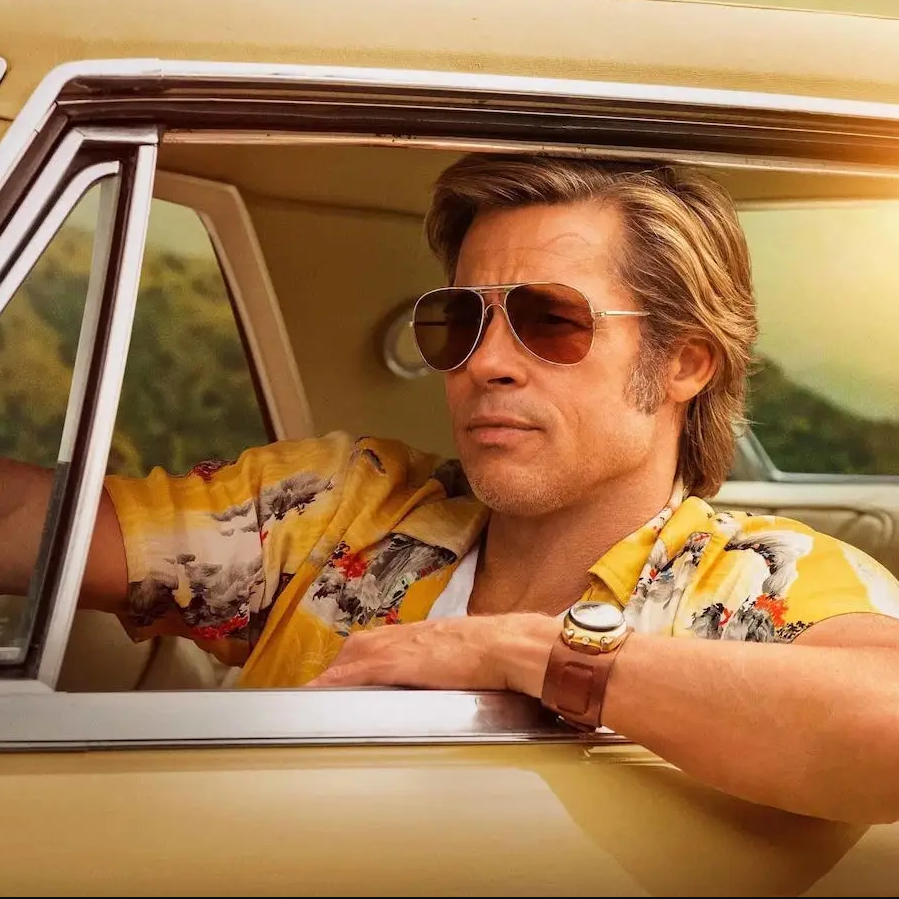
Most mortals know it today as “the Brad Pitt watch” from Once Upon a Time in Hollywood.
But I prefer to think of it as the Cliff Booth watch.
That distinction matters.
Brad Pitt is the actor. Cliff Booth is the myth.
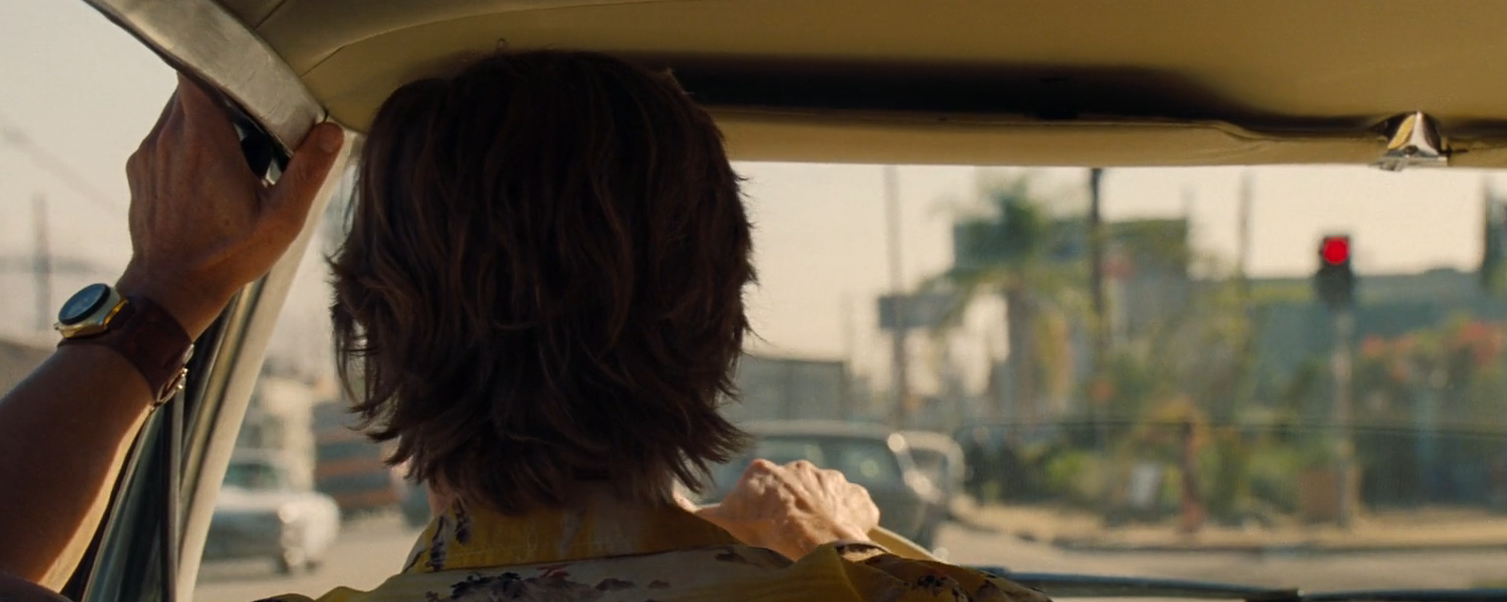
Citizen Bullhead or: The "Cliff Booth Watch" (Once Upon a Time in Hollywood)
A Watch with Horns
The nickname “Bullhead” comes from the unusual position of the chronograph pushers at the top of the case. Instead of sitting on the right side like most chronographs, they rise above the dial like horns.
It is a simple thing, this change of position.
Yet it alters the whole personality of the watch.
A normal chronograph wears like a wrist instrument. A bullhead wears like a machine pulled from a dashboard, a stopwatch converted for a man who wants both hands free and one eye on danger. It has the spirit of motorsport, but not the polished modern version with corporate hospitality and champagne. This is older, rougher, more sunburned.
The Citizen Bullhead looks like it belongs near engines, open roads, workshops and men who do not explain themselves twice.
That is precisely why it works on Cliff Booth.
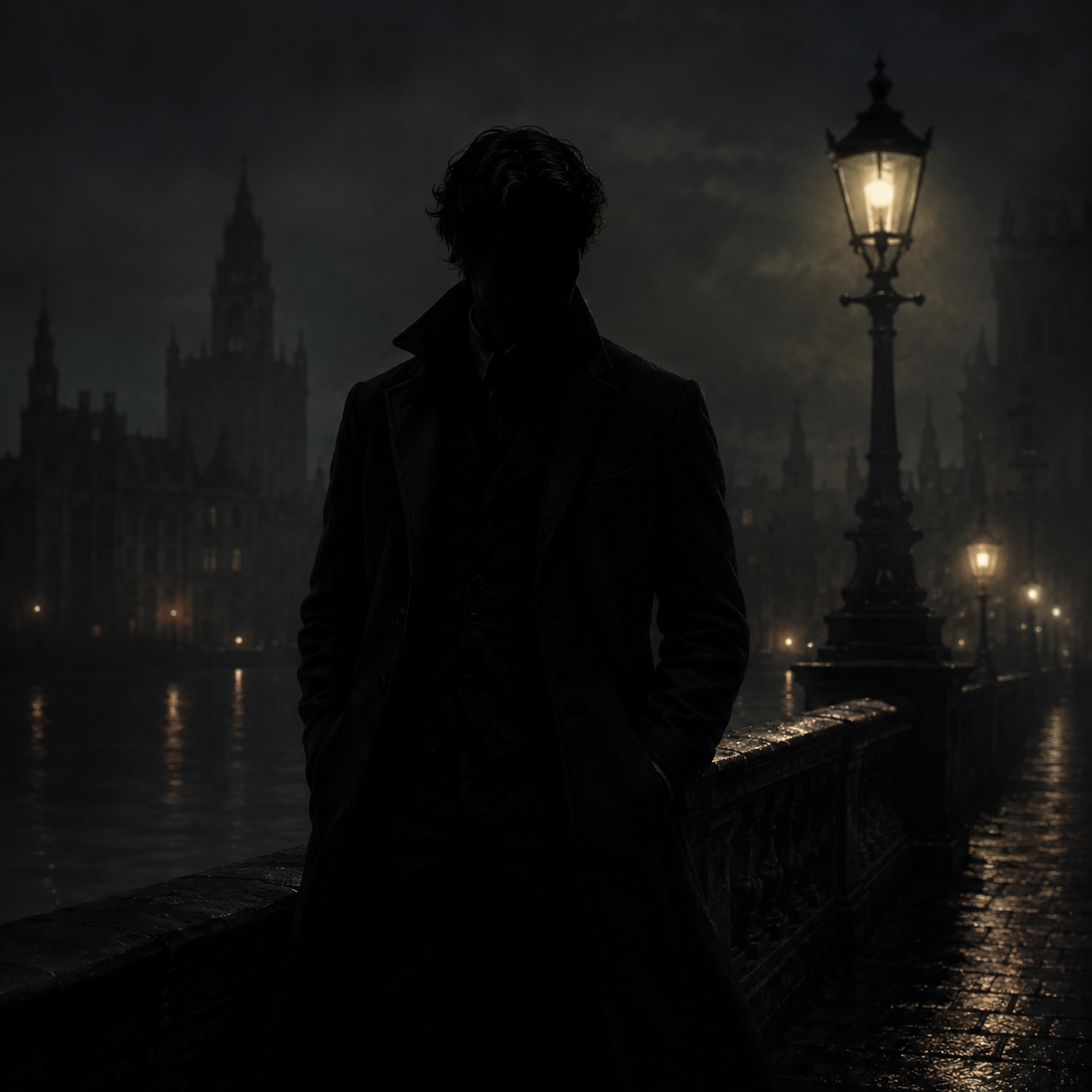
Yours truly...
The Citizen 8110: Japanese Muscle from the Mechanical Age
The vintage Citizen Bullhead is powered by the 8110 automatic chronograph movement, often referred to as the 8110A. This calibre is one of the reasons collectors take the watch seriously.
It is not merely a pretty face from the 1970s.
The 8110 is an automatic mechanical chronograph, and many examples include a flyback function. A flyback chronograph allows the wearer to reset and restart timing quickly, without the usual stop-reset-start sequence. That may sound like a small convenience to those who only time pasta, but for racing, aviation, sport or any task requiring repeated measurements, it is a real mechanical advantage.
The watch also commonly carries a day-date display and tachymeter scale, giving it the proper vocabulary of a 1970s sports chronograph.
This was an era when Japanese watchmaking was not asking permission.
Citizen and Seiko were building serious machines, experimenting with form, function and mass production while the Swiss industry was already feeling the cold breath of quartz at its neck. The Bullhead came from that fascinating moment when mechanical chronographs were still alive, but the future was already sharpening its teeth.
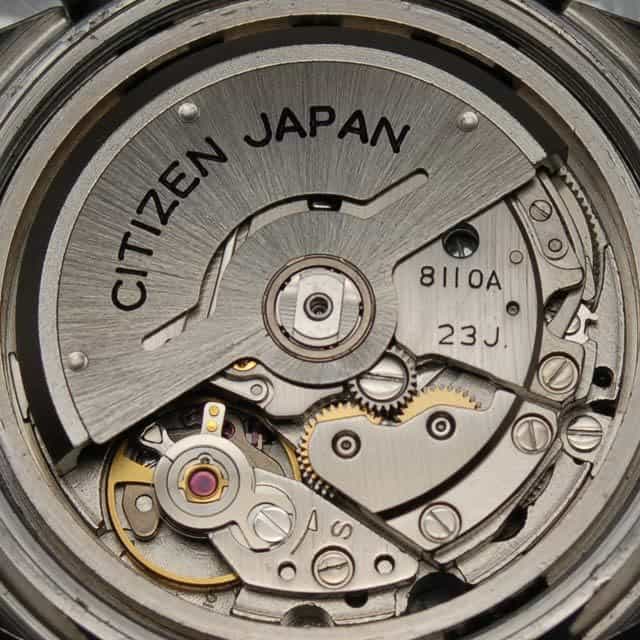
Citizen’s 8110A chronograph caliber.
The 1970s Shape of Confidence
There is a particular kind of design that belongs only to the 1970s.
It is not always elegant. Sometimes it is too wide, too bold, too brown, too gold, too strange. But it has courage. Modern watches often try very hard to be tasteful. The 1970s had no such fear.
The Citizen Bullhead wears this confidence openly.
The case is compact by modern standards, yet visually strong. The top-mounted pushers change the balance of the watch. The dial layout, especially in the gold-tone “panda” style associated with the film, has a wonderful period tension: sporty, busy, but readable; technical, yet warm.
It does not look like an object designed by committee.
It looks like someone had an idea and followed it until it became metal.
That is rarer than people think.
I have watched entire centuries drown in good taste. Give me, now and then, an object with a little madness in its bones.
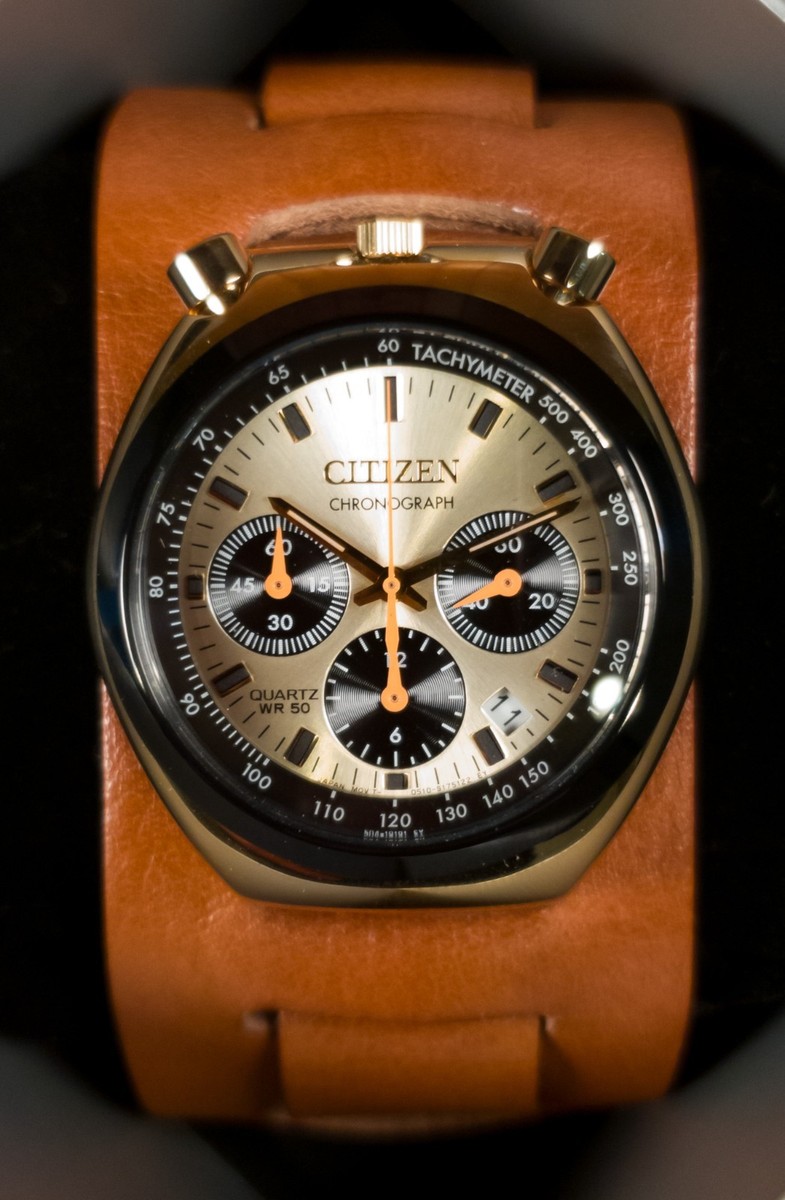
Citizen’s 8110A
Cliff Booth and the Watch That Fits Too Well
In Once Upon a Time in Hollywood, Brad Pitt’s Cliff Booth is a stuntman, driver, fixer, war veteran, possible killer, loyal friend and dangerous man disguised as an easy one.
His clothes are relaxed: Hawaiian shirt, Champion T-shirt, jeans, boots, sunglasses. He moves through Los Angeles as though the city belongs to nobody and therefore may as well belong to him.
The Citizen Bullhead suits him perfectly.
A Rolex would have been too obvious. A Heuer might have been too calculated. A cheap no-name watch would have missed the character’s quiet competence. But a Citizen Bullhead? That feels right.
It is capable without being prestigious.
Cool without asking for approval.
Odd without being weak.
On Cliff’s wrist, the watch becomes part of the man’s mythology. It suggests someone practical, someone who uses things, someone who might know the value of a timing instrument but not care whether the room recognises it.
That is the charm of the Bullhead. It does not need to impress the rich. It impresses the observant.
The Beautiful Anachronism
There is, however, a problem.
The film is set in 1969. The Citizen Bullhead, as collectors generally know it, belongs to the early 1970s. Citizen’s later Tsuno Chrono Racer models also openly pay homage to the original 1973 Bullhead design.
So the watch should not really be there.
And yet, I forgive it.
A lesser film would make this feel like carelessness. In Tarantino’s world, it feels almost like a wink through time. The film itself is not a documentary. It is a dream of 1969, a revenge fantasy, a love letter to a dying Hollywood, a place where memory, myth and cinema bleed into each other.
The Citizen Bullhead is therefore wrong historically, but right emotionally.
It belongs to the version of 1969 that exists in the mind after the film ends — sun-faded, violent, stylish, melancholy, and slightly unreal.
I have lived long enough to know that accuracy and truth are not always the same thing.
Why Collectors Still Care
The Citizen Bullhead has become more desirable partly because of the film, but it would be unfair to reduce the watch to celebrity association alone.
This is a genuinely interesting vintage chronograph.
It has a distinctive case design, a strong Japanese mechanical movement, proper 1970s character and enough oddness to remain charming after the novelty fades. It also lives in that attractive space where a watch can be historically meaningful without being completely imprisoned by luxury prices.
Of course, buying one requires care.
Many vintage Bullheads have lived hard lives. Cases may be polished, plating may be worn, dials may be damaged, pushers may be tired, and movements may need proper service. Originality matters, but condition matters too. A watch like this should not be judged only by photographs taken under kind lighting.
One must inspect the beast’s teeth.
Still, when found honestly, the Bullhead offers something many modern watches struggle to provide: personality.
Not branding.
Personality.
The Vampire’s Verdict
The Citizen Bullhead Chronograph is not immortal because it is perfect.
It is immortal because it is memorable.
Its horns give it silhouette. Its movement gives it credibility. Its Japanese origin gives it historical importance. Its 1970s design gives it soul. And its appearance on Cliff Booth’s wrist gives it myth.
That is a powerful combination.
Many watches are more expensive. Many are more refined. Many are more technically advanced. But very few possess this particular mixture of machinery, cinema and dust.
The Bullhead feels like a watch from a world where men fixed their own antennas, drove too fast, fought when necessary, and carried secrets beneath sun-bleached denim.
It is not elegant in the classical sense.
It is better than that.
It is alive.
And after five centuries, I have learned to respect anything that can survive time not by remaining pure, but by gathering stories. The Citizen Bullhead has gathered many: Japan in the mechanical chronograph age, the madness of 1970s design, the return of retro taste, and one unforgettable wrist in Tarantino’s haunted Hollywood.
A watch does not need to be historically perfect to become legendary.
Sometimes it only needs to appear at the right moment.
Even if that moment is three or four years too early.